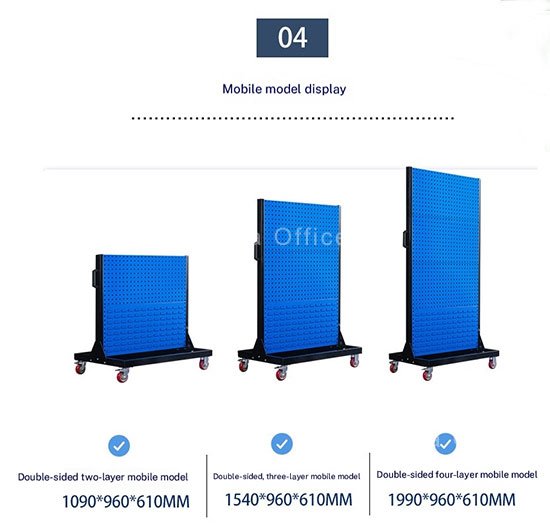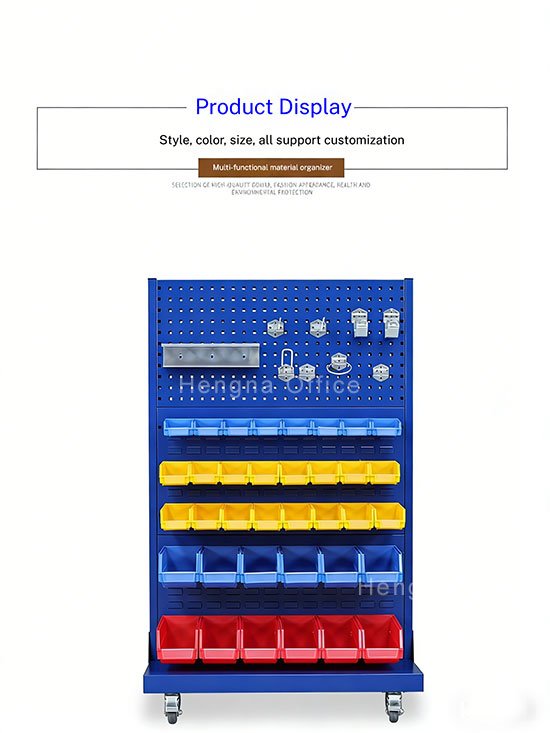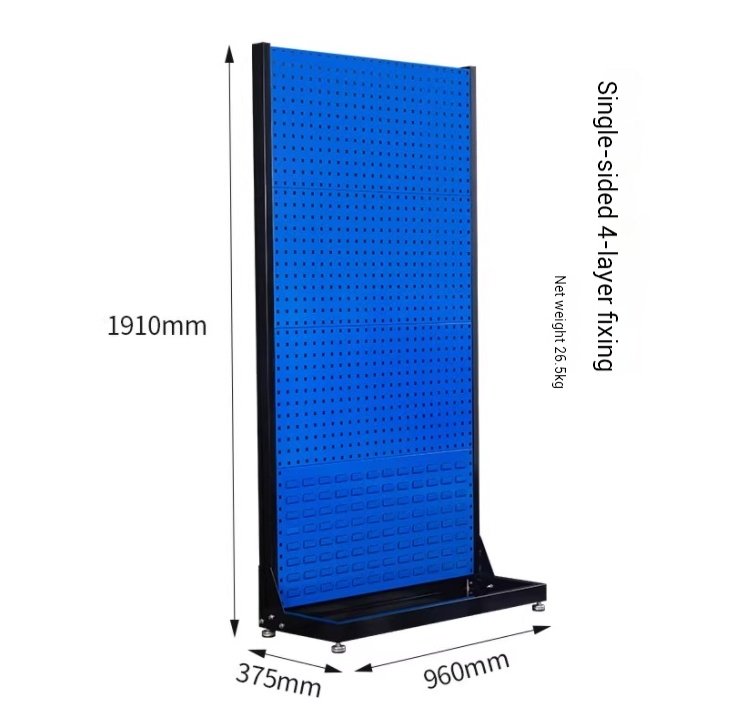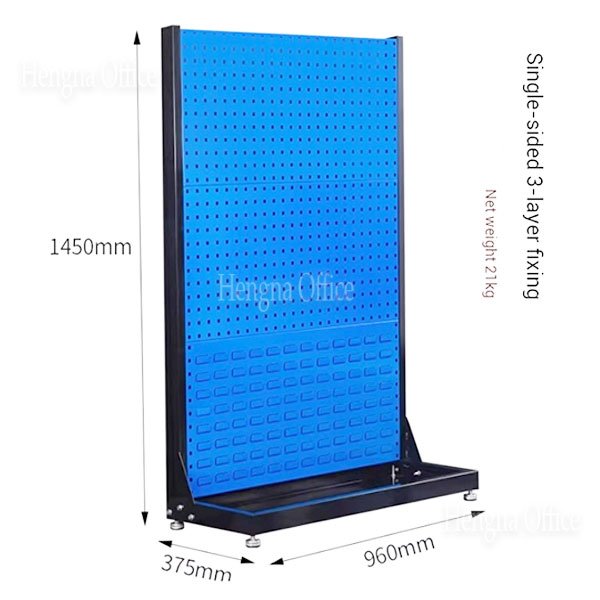
If you seek manufacturers for custom - made production and design, our service is for you!
If you'd like to buy a sample and a full order after quality check, sample order service is for you.
If you plan a China visit and seek partnership with us, our Factory Tour service is for you.

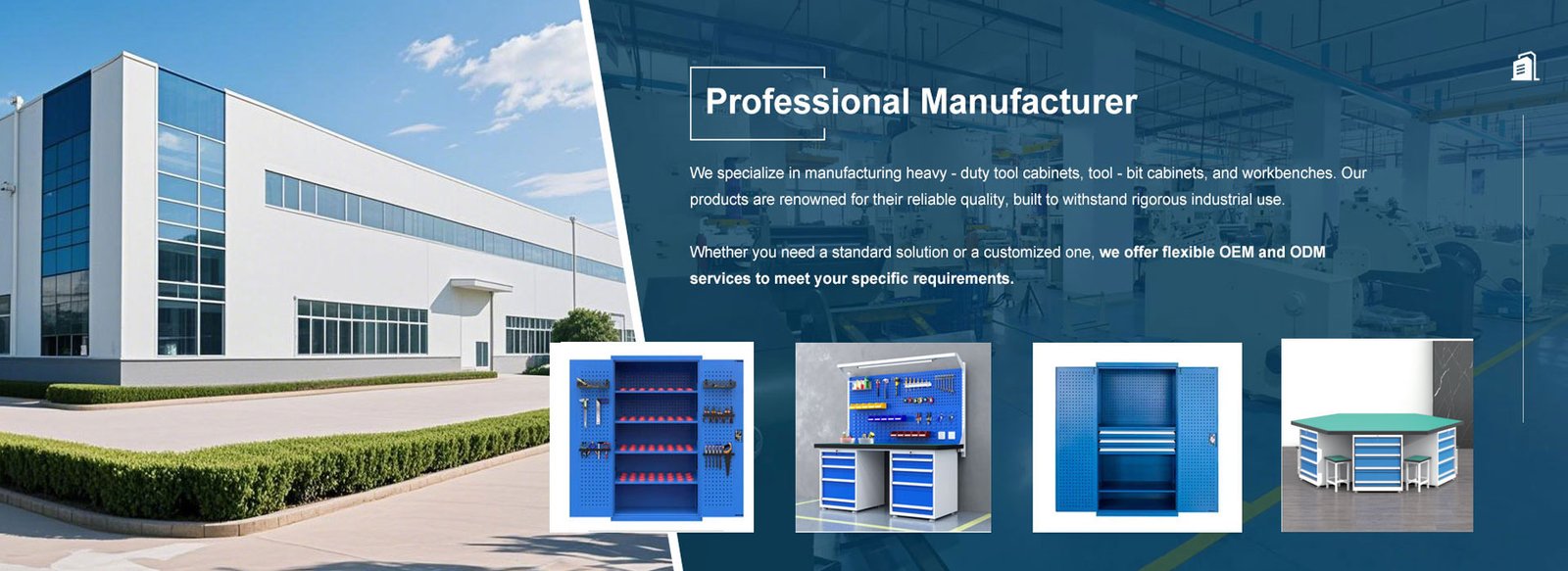
Searching for quality steel furniture? Luoyang Hengna Office Furniture Co., Ltd. is the answer!
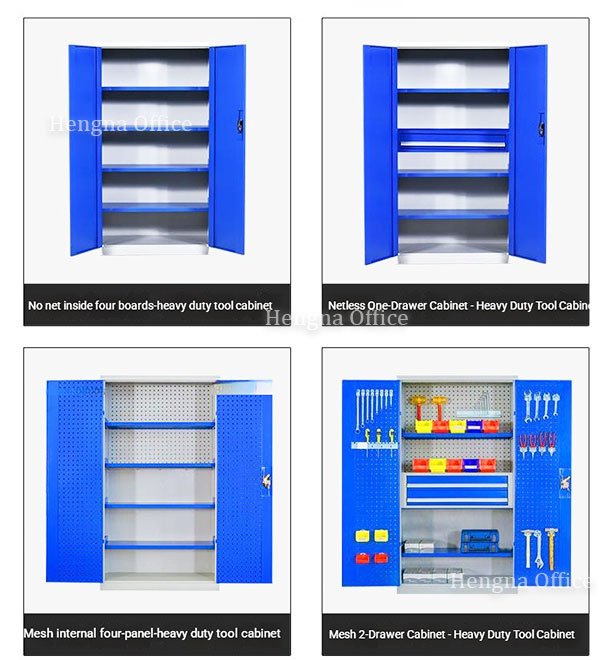
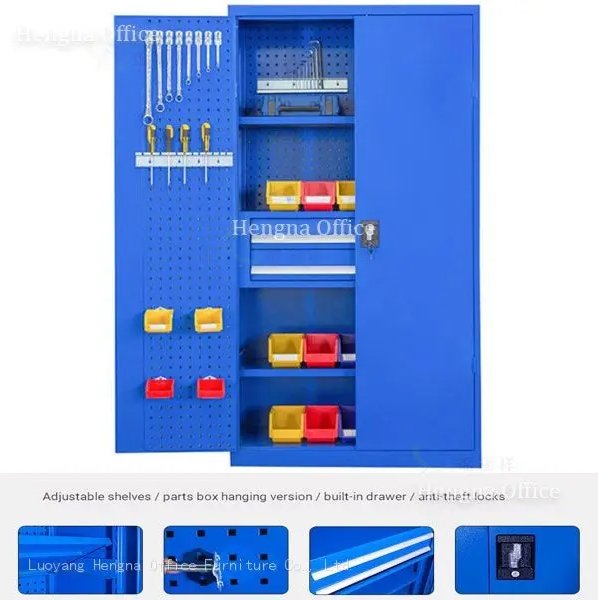
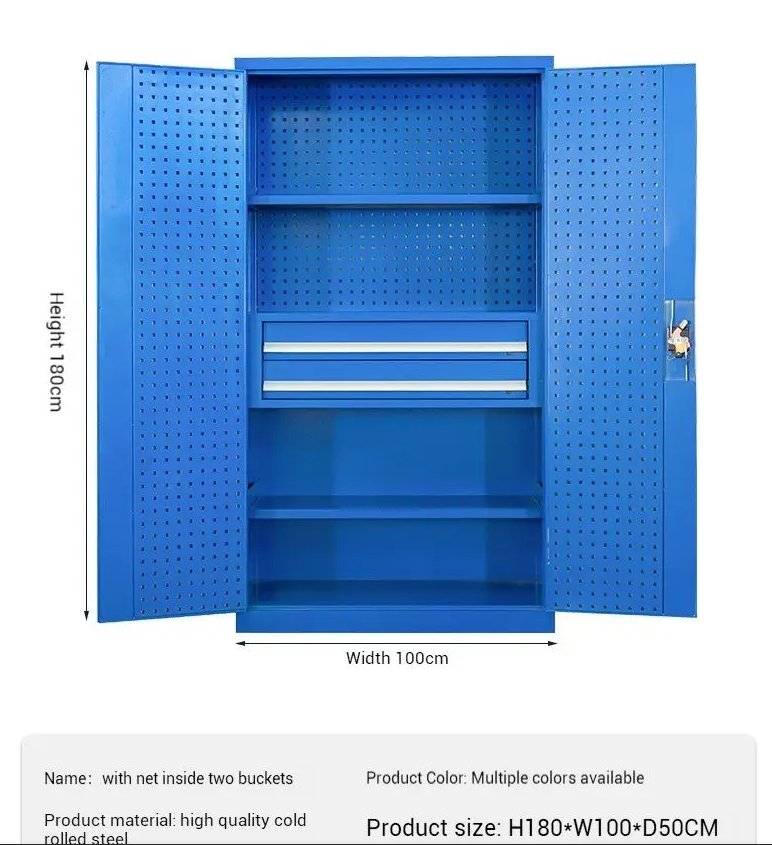
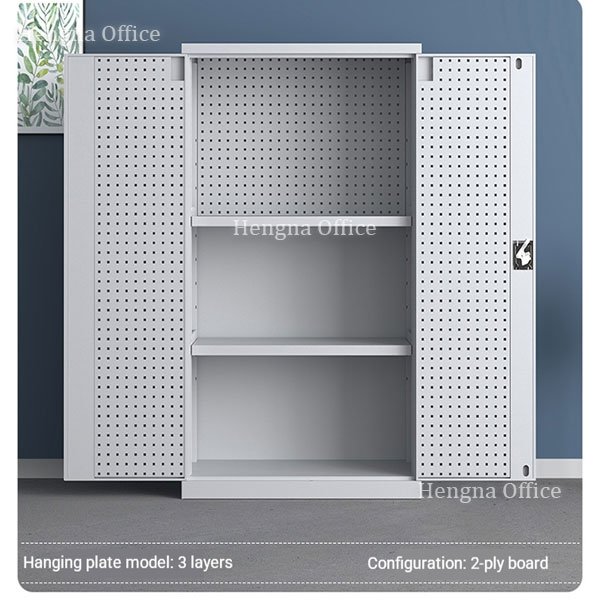
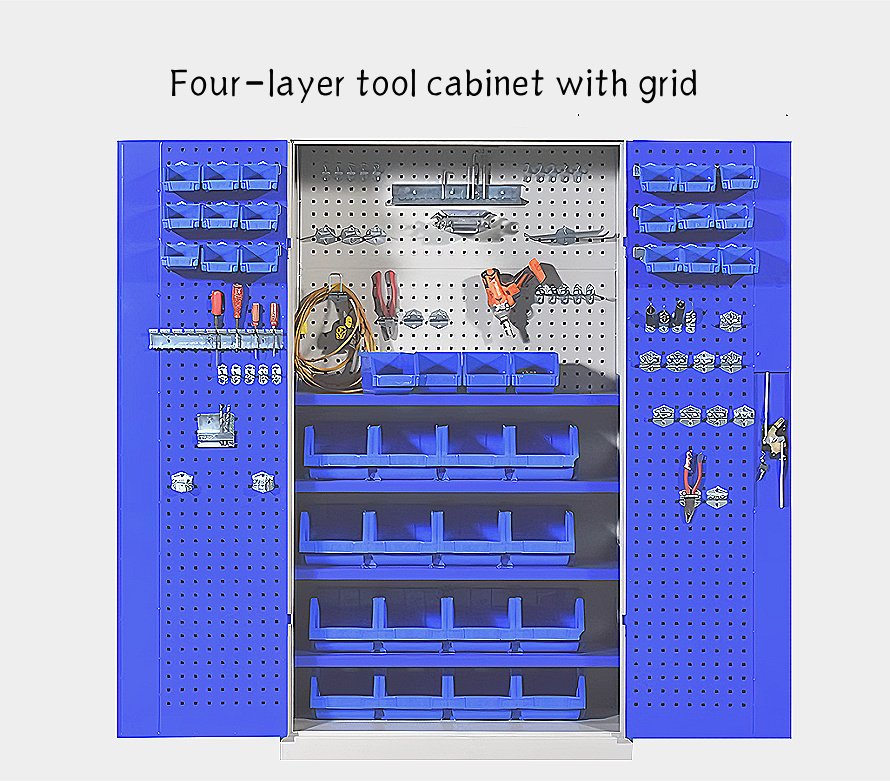
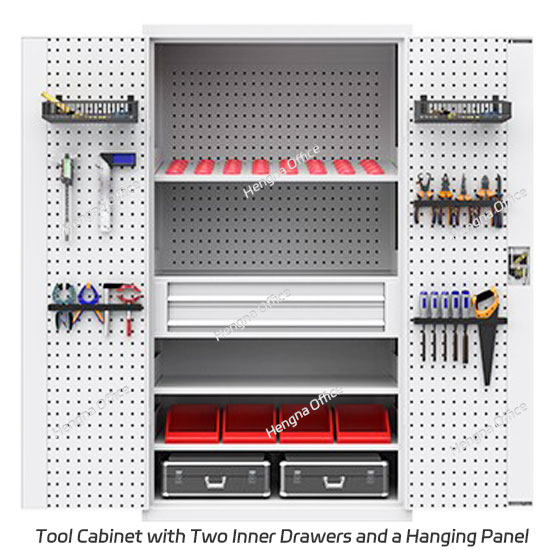
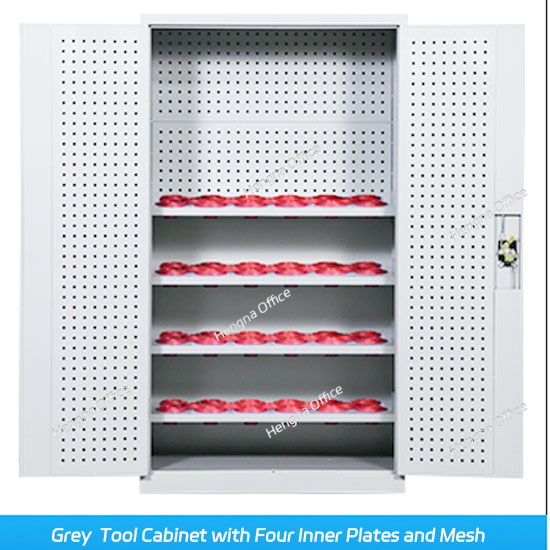
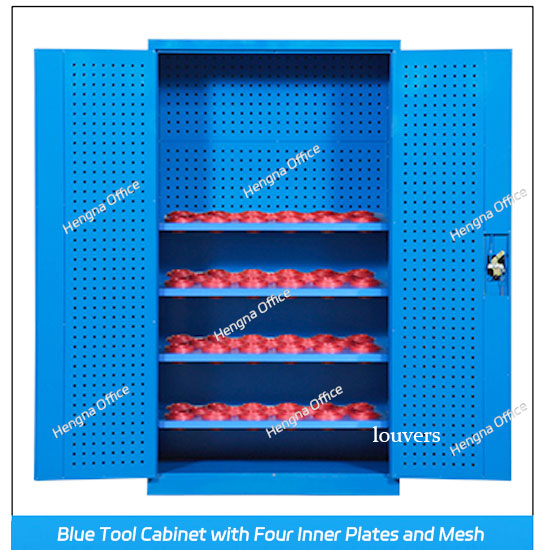
We have a great lineup. Our tool cabinets, made of cold - rolled steel, are sturdy and can handle heavy loads. They're also mobile for easy use.
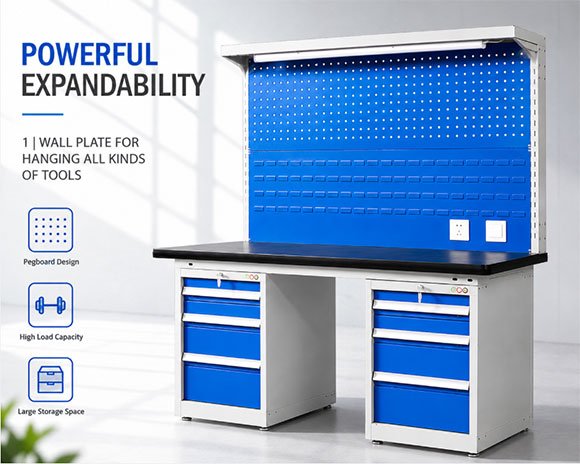
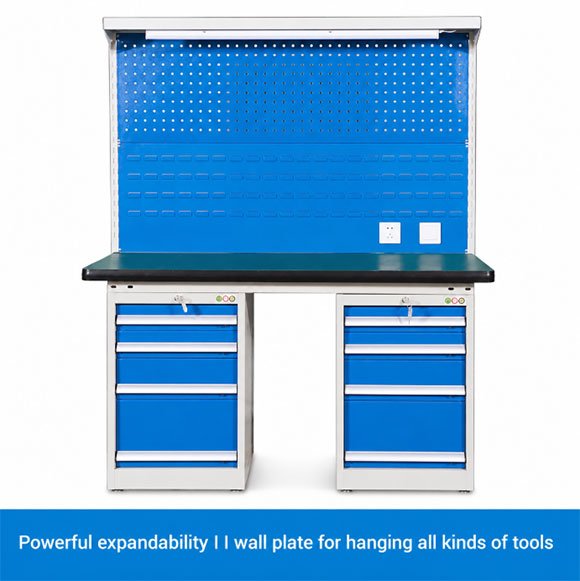
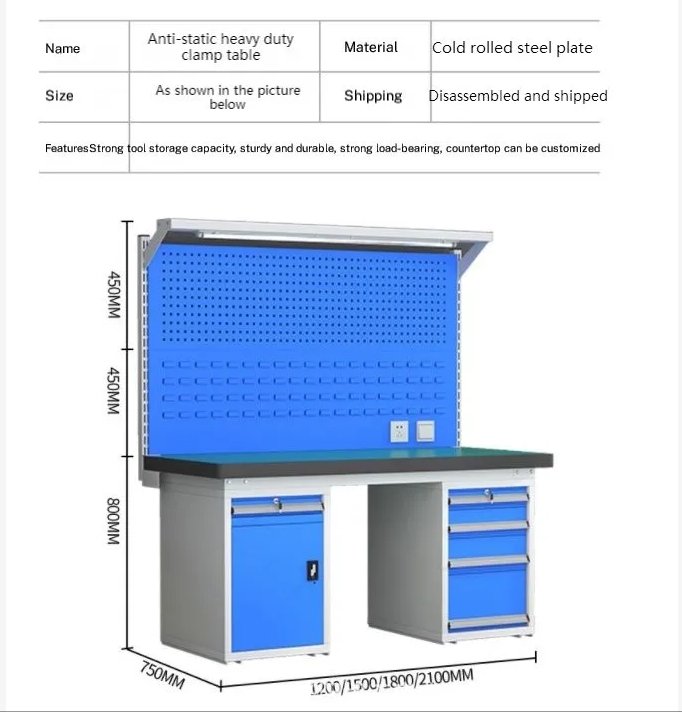
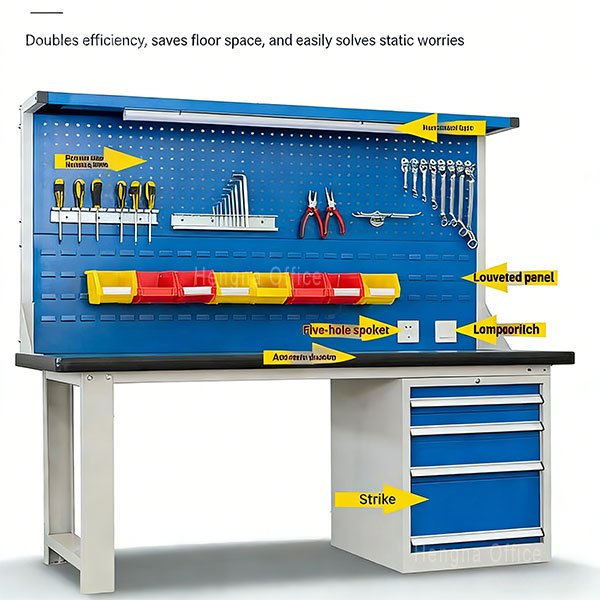
Tool carts let you move tools around with ease. Workbenches offer a reliable workspace. Tool racks keep your tools in order. Warehousing racks are tough for industrial storage. Parts cabinets neatly store small items. Logistics containers simplify material handling. File cabinets safeguard your documents.
Our steel furniture combines function and durability. Perfect for any factory, workshop, or office. Choose us and enhance your space!
05
2026 - 08
Your best mechanic loses about 20 minutes a day walking to the tool room. That’s the number we kept hearing when we asked shop foremen how often their guys leave the workstation for tools. Fourteen trips a day is normal. More on assembly-heavy days. A minute and a half per round trip — walk there, find the right tool, walk back. Twenty minutes, gone, every single day. Do the math over a month: 22 working days, that’s seven-plus hours. Over a year, more than 80 hours. Two full working weeks a year, spent on walking, not on work. Nobody’s lazy here. It’s the layout. Tools live too far from the work. The farther the tool room is, the less people want to walk. So tools start “living” at the workstation — one wrench stuffed in the workbench drawer, another hanging on a rack, another buried in a toolbox. A month in, tools are everywhere and nowhere. You need one, it’s gone. Looking for tools takes longer than using them. Every shop manager talks about “tool control problems.” Almost none of them see the root cause: the tools don’t move with the person. A mobile tool cabinet for the workshop floor fixes exactly that. Mobile Tool Cabinet for Workshop Floor-Where the 20 Minutes Actually Go We’ve outfitted tool storage in quite a few plants over the years, and we ask foremen the same question: how many trips to the tool room does a guy make a day? The answer is always around the same: a dozen-plus is normal, twenty on heavy assembly days. One minute per trip, that’s the twenty minutes right there. But it’s worse than that. He walks over for a 14mm wrench, it’s not in the drawer, he walks back empty-handed. He grabs screws, the box is empty, second trip. The time…
30
2026 - 07
Here’s what a busy season looks like in an auto repair shop. Every bay is full. Cars sit on lifts, parts pile up on the floor, and your mechanics move between the underside, the hood, and the wheel wells. One bay runs three or four cars a day. The rolling tool cabinet gets pushed back and forth dozens of times. By the end of the season, that cabinet has traveled more miles than your shop truck. That’s when you find out which cabinets are decoration and which ones are built to work. Wheels seize up. Drawer slides get so stiff you kick them shut. Doors warp and stop closing. None of that shows in the slow season. It all shows when things get busy. And when the cabinet dies, your mechanic walks across the shop to the fixed toolbox every time he needs a wrench. Thirty seconds per trip. Half an hour gone by the end of the day. Honestly? Most budget tool carts were never designed for this kind of use. They were built to look good in a photo, not to survive a working shop. The Busy Season Is a Reality Check — Four Things That Fail First After years in this business and a lot of conversations with shop owners, the failure points are always the same. Wheels. The cheap ones use nylon or thin rubber. Two months in, they start shedding material and rolling with a click-clack. Shop floors aren’t office floors. There’s oil, metal filings, weld slag. If the wheel isn’t hard enough and the bearing isn’t good enough, it won’t last one busy season. Drawer slides. This is where manufacturers cut corners first. Thin stamped slides feel fine for a week. Then you load a drawer with wrenches, sockets, power tools — thirty, forty pounds — and it turns heavy…
26
2026 - 07
Last year a hotel group’s corporate office called us. Three of their properties had the same problem — cabinet bottoms rusted through, black mold growing in tile grout, and maintenance crews patching things up every few months. They had a budget approved but no one was sure what fix would actually stick. After an hour on the phone, the facilities manager asked: “So we swap everything to stainless steel, and that solves it, right?” I said: “Skip the drainage tray and stainless won’t help either.” How to Stop Rust and Mold in Your Janitor Closet? Rust and mold — the real source is standing water The problem in a janitor closet isn’t the cabinet material. It’s that nobody designed for water. Mops dry standing up — water runs down the handle and pools on the floor. Buckets sit inside the cabinet with loose lids, seeping slowly. Wet rags get hung on the door overnight. None of that water evaporates fast in a small, unventilated room. It collects under the cabinet base, seeps into corners, and turns the whole closet into a mold farm. Most janitor cabinets have a flat bottom. Water sits there. The cabinet’s contact surface stays wet. That’s what causes rust, and it’s what feeds mold. Material matters less than you think. Type 304 stainless will survive years submerged — but even if the cabinet doesn’t rust, the closet still smells like damp. Mold doesn’t care what grade of steel your cabinet is made from. It cares about moisture. And the moisture comes from water that has no way out. The counterintuitive truth: A cabinet’s first line of defense isn’t the material. It’s whether the cabinet can drain water out. Powder-coated, stainless, and drainage trays — how they work together Here’s what we’ve seen across dozens of hotel and…
20
2026 - 07
A hotel in Malaysia reached out to us last year with an odd request: could we sell them just cabinet doors? Their housekeeping team had been kneeing them shut for months. Three years earlier, the hotel had outfitted every janitor closet with powder-coated steel cabinets. The bodies were fine. The hinges — on more than a dozen doors — had rusted solid. We asked one question: “Is the room ventilated?” No windows. Mops air-dried standing up. By morning, condensation dripped down the walls. This isn’t a one-off. It’s the single most common question we get from hotel buyers: powder-coated or stainless steel — what’s the actual difference? Stainless Steel vs Powder-Coated Janitor Cabinet:The problem with powder-coated isn’t that it rusts. It’s that you never see it coming. In dry climates — inland hotels, northern regions, janitor rooms with decent air conditioning — powder-coated cabinets hold up fine. Three or four years, no issues. The coating does its job. The hinges don’t give out fast. But a humid janitor closet flips the equation. Coastal hotels. Southeast Asia. Old buildings where the janitor room never got mechanical ventilation. Moisture seeps through screw holes and hinge gaps. The steel rusts underneath the coating, silent. By the time you notice a bubble in the paint, it’s already eaten through. Then there’s the thing nobody talks about during procurement: cleaning chemicals. Bleach. Acidic toilet cleaners. Floor strippers. All of them live in janitor closets. Splash one on a powder-coated surface and leave it — the coating corrodes in days. It’s not a manufacturing defect. It’s just chemistry. Plastic-based coatings don’t handle acids. Stainless steel isn’t perfect either. Three real drawbacks. One: price. A stainless cabinet costs noticeably more than powder-coated. For a hotel group ordering across multiple properties, that first invoice stings. Purchasing’s gut reaction is…
08
2026 - 06
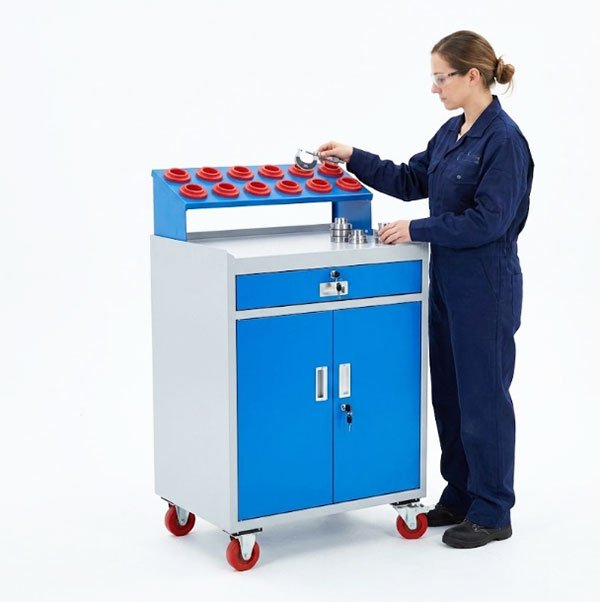
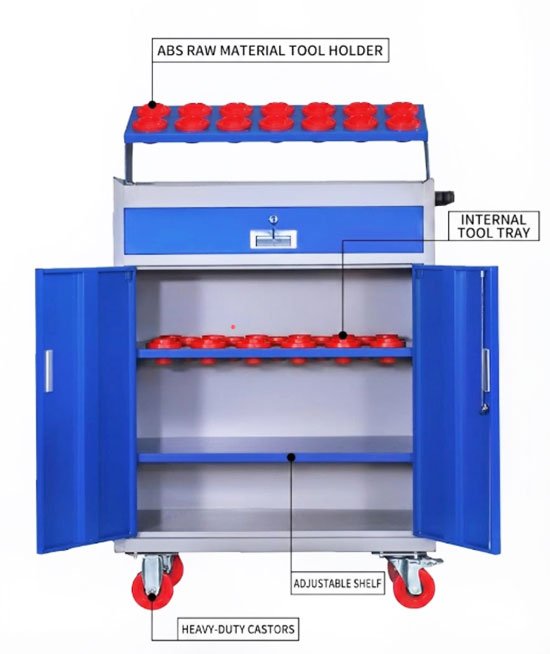
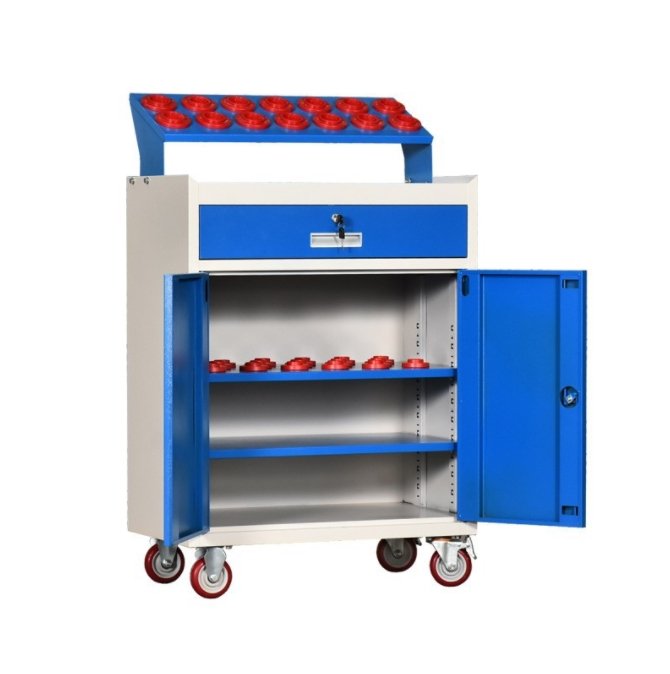
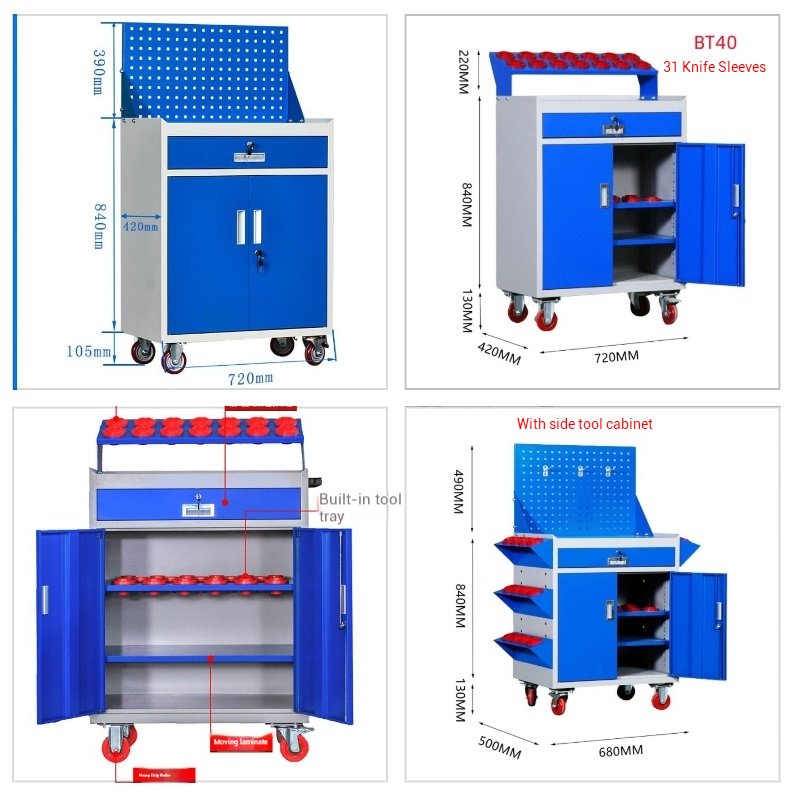
Before You Spend Big, Think About One Thing When most small shop owners hear “tool management,” the picture that comes to mind is a full wall of tooling racks, RFID-tagged smart cabinets, and a five-figure investment. Hold on. How many machines are you running? Three? Five? Twenty or thirty holders total? At that scale, you don’t need a smart cabinet. You don’t need a custom system. You need something that holds, rolls, and locks — without the markup. Here’s the problem: there isn’t much in between for small shops. On one end, plastic tool carts from the home improvement store — they can’t hold tool holders. On the other, industrial cabinets that cost more than your lathe. Nobody’s making stuff for the middle. This isn’t a sales pitch. It’s a breakdown of what small shops actually need for tool holder storage, what they don’t, and where the money is worth spending. What Disorganized Tooling Actually Costs a Small Shop Time — Half an Hour a Day Isn’t Unusual One operator spending 15–30 minutes a day looking for tools doesn’t sound like much. But that’s 6–13 hours a month. Multiply that by your shop rate. It adds up. And while someone’s looking for a tool, the machine sits idle. Downtime waiting on a tool costs more than the tool itself. Holders — One Drop, and Taper Accuracy Is Gone Tool holder tapers are precision surfaces. One clang against another holder, one drop on the concrete floor, and runout shifts. You can say “I’m careful,” but holders stacked on benches knock into each other, slide toward the edge — things you can’t control. How much is a BT40 holder? A few hundred to over a thousand. Damage one, and it’s scrap. Damage three in a year, and you’ve paid for a storage cart….
13
2026 - 05
The Nightmare of Small Parts Organization If you’ve ever worked in a workshop, you know this pain: Screws, nuts, washers, seals, springs, clips… These small parts seem worthless individually, but when you can’t find them when needed, that’s when it really hurts. I’ve talked to many workshop supervisors, warehouse managers, and auto repair shop owners, and they consistently mention one problem: small parts organization seems simple, but it actually greatly affects efficiency. One auto repair shop owner told me: “My wrenches and sockets all have fixed positions. But these small things like screws and nuts, they always end up messy. Once, I spent 15 minutes looking for an M8 nut, and finally found it had fallen into a corner.” So today, I want to seriously discuss: How to choose between parts bin systems and drawer systems? More importantly, our product doesn’t force you to “choose one or the other,” but offers a hybrid solution of drawer tool cabinet + optional door-mounted parts bins. This article will detailedly compare the two systems and explain why a “hybrid solution” might be the better choice. I. What is a Parts Bin System? 1. Basic Structure A parts bin system, simply put, is: using multiple independent small bins to categorize and store small parts. These small bins are called “parts bins,” typically made of plastic, and come in different sizes: 2. Installation Methods for Parts Bins Parts bins can be installed in different locations: Method 1: Hang on pegboard Method 2: Place on shelves Method 3: Hang on door panel interior (our optional solution) 3. Suitable Scenarios Scenario 1: High-frequency access small parts If you need to access screws and nuts dozens of times a day, a parts bin system is very suitable. Because of the open design, you can see them at a glance and grab them with one reach. Scenario…
MOQ varies by grocery store electronic storage locker model. Consult us for precise details.
Since prices may change due to raw materials and market, it's best to consult us.
Yes, they're available. Consult us for a list of parts and prices. We'll help you identify and purchase.
We have detailed instructions. contact us.We'll send a guide with possible diagrams/videos.
Sure. Consult us for this detailed list and related details.
We can include weight, volume, currency in quotes. For a customized quote, consult us.
Delivery time depends on product type, quantity, and location. we will give a precise timeline.
We use different methods .The choice depends on your location, order size, and preferences.